
Sciaridae
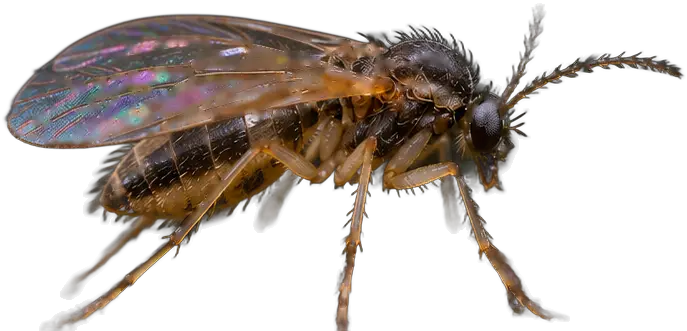
- 01Long antennae. Long and beaded.
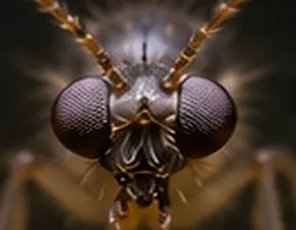
- 02Small head. Dark, with dark eyes.
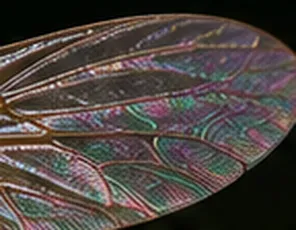
- 03Narrow wings. Clear and narrow.
- 04Long, thin legs. Gives it a mosquito-like look.
- Adult size
- About 1/16 to 1/8 in
- Color
- Dark brown to black
- Breeds in
- Wet potting soil and damp organic matter
- Seen
- Around houseplants and windows
- Fix
- Let soil dry out between waterings
Figures: University of Kentucky, Small Flies.
What does a fungus gnat look like?
Small, dark gray to black and slender, with long legs, long beaded antennae and narrow clear wings. They look a little like tiny mosquitoes but do not bite. They are weak fliers and hover near plants, windows and lights.
Where do they breed?
In moist soil and decaying organic matter. Overwatered houseplants are the classic source, along with seedlings, damp mulch, compost and wet crawlspaces. The larvae live in the top inch or two of the soil.
How do you get rid of them?
Dry out the source. Let potting soil dry between waterings, empty saucers, repot plants that stay soggy, and remove damp organic debris near the house. Sticky cards catch the adults while the next generation dies off.
How Graduate helps
Fungus gnats are usually something a homeowner can fix alone. We get involved when the source is not obvious, such as a damp crawlspace or a moisture problem in a building, or when small flies turn out to be something else, like phorid or drain flies. The fly control page compares all of them.
Which fly is it?
Each fly points to a different breeding source. Tap one for its full profile.
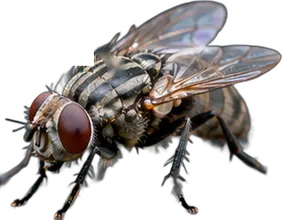
- Size
- About 1/4 in
- Look
- Gray, four dark stripes on the thorax
- Breeds in
- Garbage, manure, food waste
- Seen
- Kitchens, dumpster areas, around trash
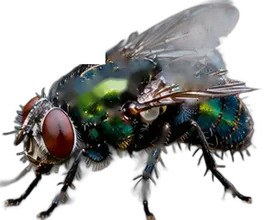
- Size
- 1/4 to 1/2 in
- Look
- Shiny metallic green, blue or copper
- Breeds in
- Dead animals, meat scraps, garbage
- Seen
- A sudden swarm often means a dead rodent in a wall
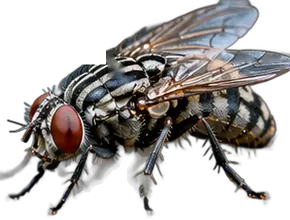
- Size
- 1/4 to 1/2 in
- Look
- Gray, three dark stripes, checkered abdomen
- Breeds in
- Carrion and decaying meat. Gives birth to live larvae
- Seen
- Near garbage, dumpsters, dead animals
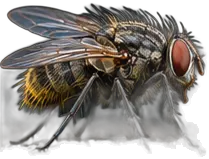
- Size
- 3/8 to 1/2 in, larger than a house fly
- Look
- Dull gray, golden hairs on the thorax
- Breeds in
- Outdoors. Larvae live in earthworms
- Seen
- Sunny windows and attics, fall through spring
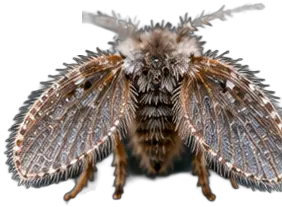
- Size
- 1/16 to 3/16 in
- Look
- Fuzzy, moth-like, wings held like a roof
- Breeds in
- Slime film inside drains and traps
- Seen
- Bathroom and kitchen walls near drains
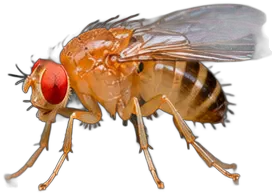
- Size
- About 1/8 in
- Look
- Tan, bright red eyes
- Breeds in
- Fermenting fruit, spills, drains, recycling
- Seen
- Hovering over produce and trash
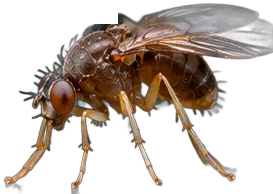
- Size
- 1/16 to 1/8 in
- Look
- Dark, humped back, runs in short bursts
- Breeds in
- Decaying matter, often a broken drain or sewer line under a slab
- Seen
- Bathrooms, basements, commercial kitchens
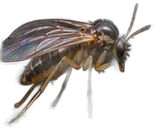
- Size
- 1/16 to 1/8 in
- Look
- Dark, slender, long legs and antennae
- Breeds in
- Wet potting soil and damp organic matter
- Seen
- Around houseplants and windows
Figures: University of Minnesota Extension, Flies, University of Kentucky, Small Flies, Penn State Extension, Cluster Flies.
Treatment for this pest is covered under Fly Control.
Common questions
Do fungus gnats hurt people or plants?
They do not bite. The larvae mostly feed on fungi and decaying matter in the soil, though in greenhouses and nurseries heavy numbers can damage young plant roots.
How do I know the plants are the source?
Push a slice of raw potato into the soil surface for a couple of days. If larvae gather under it, that pot is producing gnats. Yellow sticky cards near the plants also show where they cluster.
I have no plants. What else breeds them?
Damp mulch against the foundation, wet crawlspaces, leaky planters and moist organic debris can all support them.
Why do I see them on my windows?
Adults are drawn to light, so they gather at windows near the plants or damp area that produced them.
Do they come back after repotting?
Not if the new soil is kept drier. Bagged potting soil that was stored wet can bring them in, so let it dry out before use.
Are they the same as fruit flies?
No. Fungus gnats are darker and more slender, with long legs and antennae and no red eyes. Fruit flies breed in fermenting food, not soil.
Get in touch
Tell us what you are seeing
Four questions, answered by a person within one business day. If it is urgent, call: the line is answered at any hour.
Fly Control
Start with a free consultation
A consultation is a phone call with us about your problem. You tell us what you are seeing, where in the building, and how long it has been going on. We tell you what it most likely is, what is causing it, and what it will take to fix. Most routine work can be priced on that call.
There is no charge and no obligation. If we are not the right fit, we will say so before anyone books a visit.
Call (631) 212-9601Schedule an inspection
Answered at any hour.